and what ‘sustainability’ means for your home
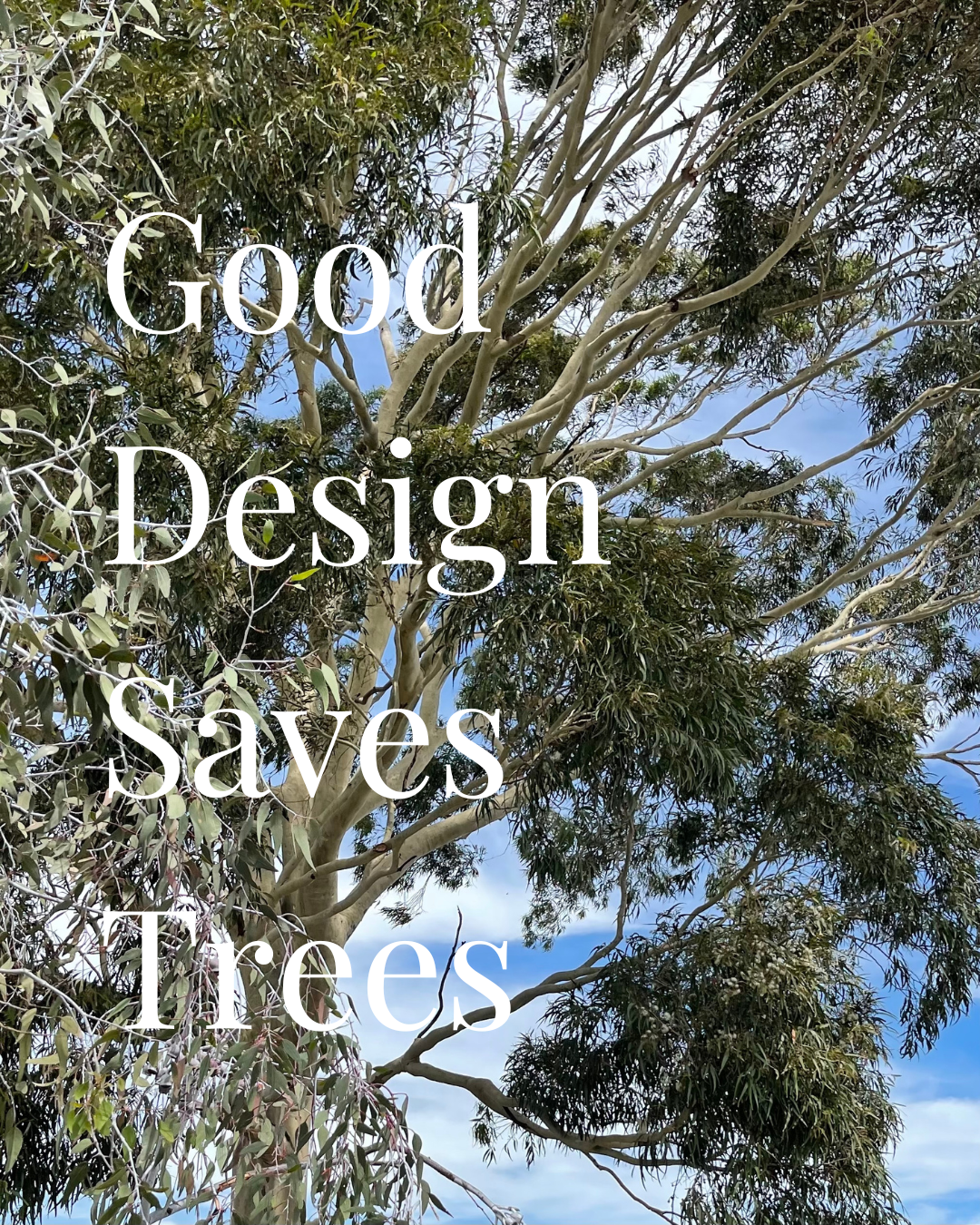
Australia builds the largest new houses in the world, averaging 235 m2. In Victoria, it’s 250 m2. This is despite household sizes getting smaller.
As architects, we have a responsibility to work with respect for the environment, community, and our profession. Every project is an opportunity to make a positive impact.
But what is sustainable and what decisions can you make when designing your home to create a real impact?
Understanding Carbon
Carbon emissions trap heat in the atmosphere, resulting in global warming and climate change. Reducing our environmental impact means reducing the carbon footprint of the buildings we create.
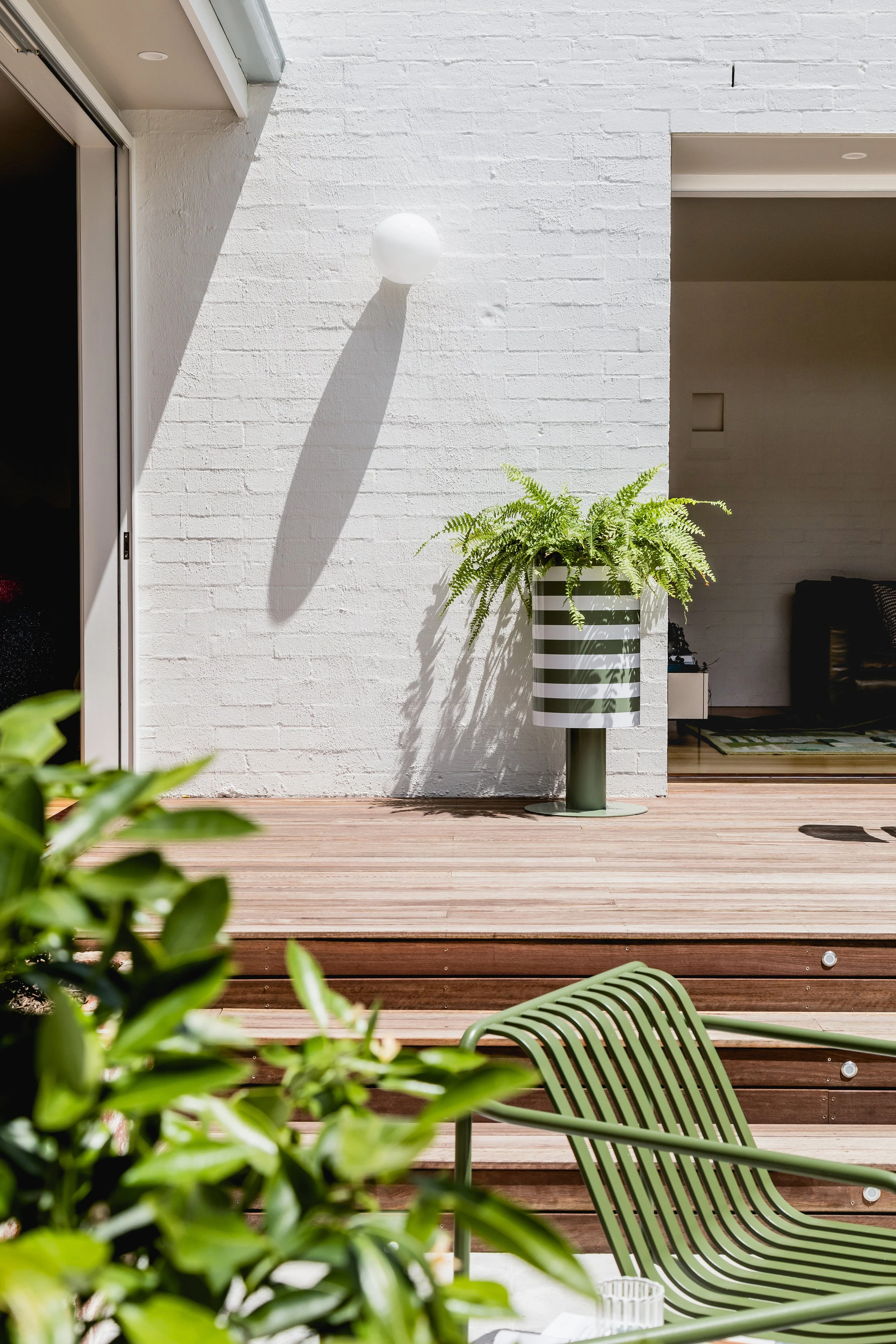
The choices we make during the design process can have a big impact on the amount of carbon your home is responsible for over its lifetime. This falls into two categories: embodied carbon and operational carbon.
Embodied Carbon
Embodied carbon is the total amount of carbon in the materials used to construct your building, such as concrete, timber, steel and glass.
The energy used to make the materials and products in our houses is huge, as is the transportation to get the products to site. Globally, buildings and construction account for nearly 40% of energy-related carbon dioxide emissions. Australian Architects Declare.
This is why adapting and extending an existing home is often a far better environmental outcome than demolishing and rebuilding.
Generally speaking, highly processed materials such as concrete and steel have higher embodied carbon than renewable materials like timber. However, material selection is rarely black and white. Durability, lifespan, maintenance requirements, and structural efficiency all play an important role. For example, concrete can also offer a long life cycle, structural performance, and thermal mass, often eliminating the need for additional floor finishes or wall linings.
Sustainable design requires considering the entire lifecycle of a material, not just its initial impact.
Operational Carbon
Operational carbon is the carbon emissions produced during the day-to-day use of a building. This includes heating and cooling, hot water, appliances and lighting.
Unlike embodied carbon, operational carbon continues throughout the life of the building. The good news is we can reduce operational carbon by making your home more efficient to run, while also lowering household energy costs.
Designing your home for sustainability
For Sheri Haby Architects, sustainable design is about balancing environmental impact with the value each decision provides to the project. By working closely with you, we can identify the sustainable choices that align with your values and are the right fit for you and your project.
My approach is to always:
Design homes for the future
A well-designed home should evolve with the people who live in it. People’s needs change over time and a well-designed house should be able to adapt to these changing needs without needing to go through multiple renovations.
Build small, build well
Bigger doesn't always mean better. We focus on creating homes that are efficient, durable, and designed to last. This includes careful attention to energy performance, insulation, waterproofing, material durability, and construction quality. Every square metre should work hard.
Reduce operational costs
A sustainable home should also be affordable to run. Simple design decisions such as orientation, shading, insulation, natural ventilation, solar generation, efficient appliances, and eliminating gas can significantly reduce both emissions and ongoing household expenses.
What this means for your project
Passive Design
Orienting the home to respond to the movement of the sun and prevailing breezes
Carefully design the building envelope to control sunlight, shade, and natural ventilation throughout the year.
Improving the thermal performance of existing homes through insulation and upgrades to windows, walls, and roofs, reducing the need for heating and cooling
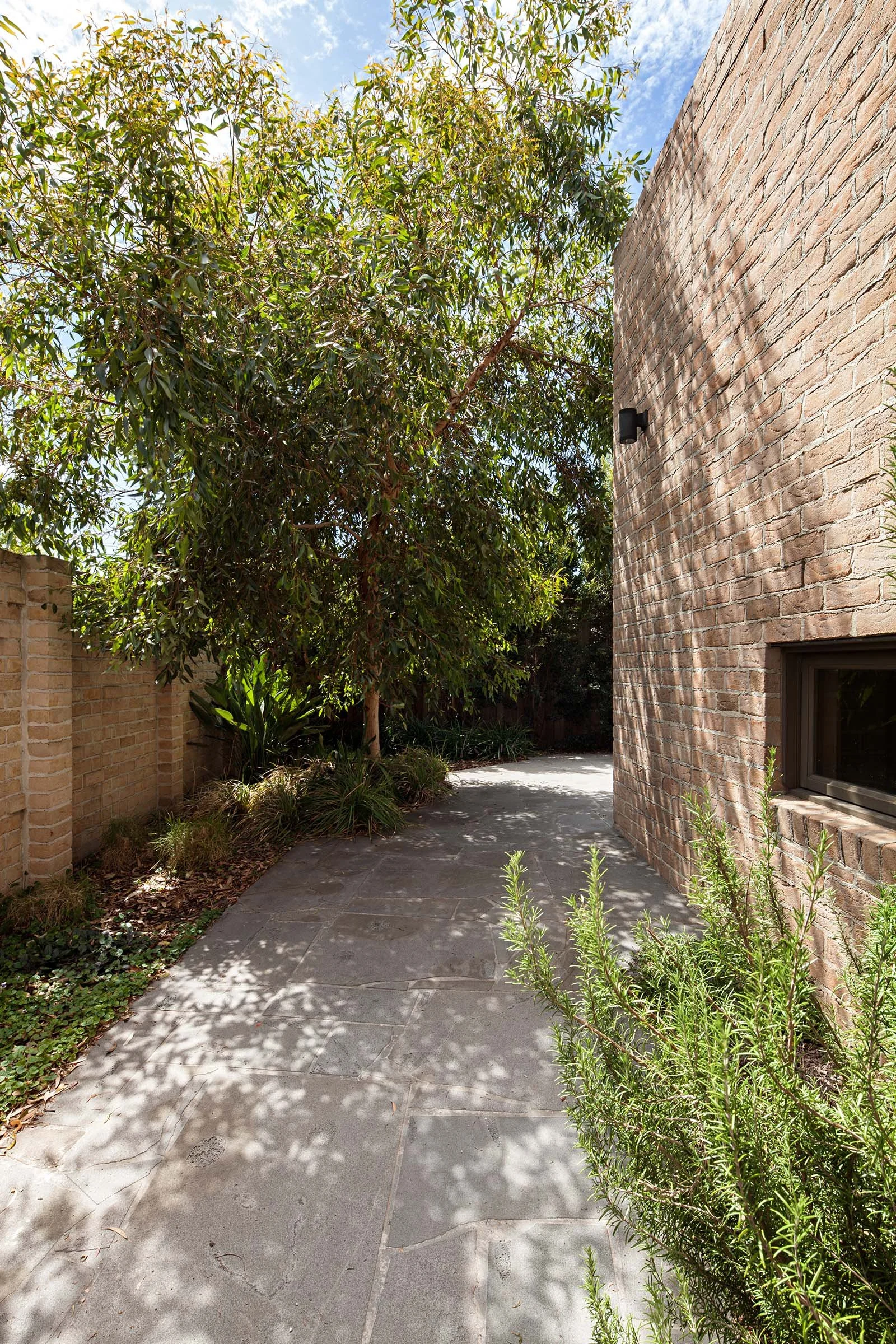
Incorporating landscaping that improves amenity, air quality, water management, biodiversity, and urban cooling
Sustainable Resources
Photovoltaic solar panels
Renewable electricity and all-electric homes
Rainwater storage
Provision for electric vehicle charging
Materials and Construction
Prioritising locally sourced materials where possible
Retaining and reusing existing buildings to minimise demolition
Recycling as much demolition waste as possible where removal is unavoidable
Building just big enough
Using concrete and steel intentionally, balancing embodied carbon with longevity and performance
Selecting materials that meet clearly defined sustainability benchmarks
Good Design Saves Trees
Garden spaces are shrinking as homes grow larger. Less trees mean hotter cities and reduced biodiversity.
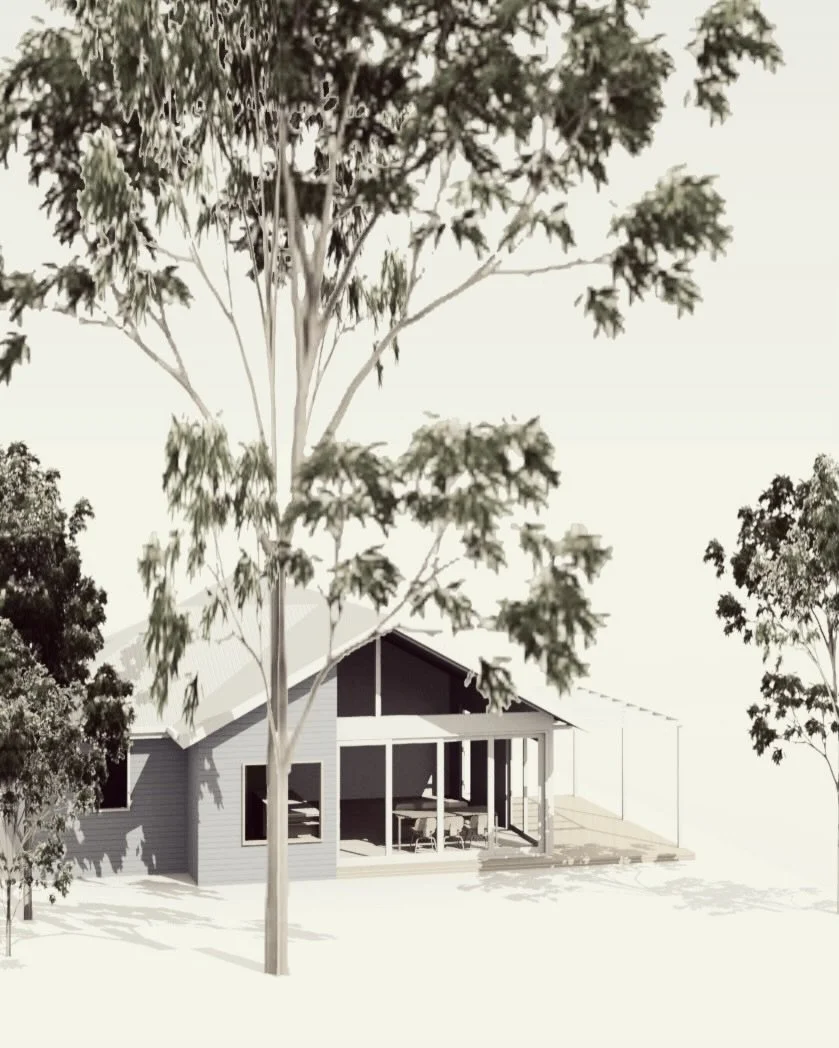
At our Mordialloc project, thoughtful design takes priority over a massive footprint. By carefully adapting and extending the existing home, our clients will keep their beautiful backyard and majestic gum tree.
Building smarter also makes financial sense. When construction costs have never been higher, a smaller footprint reduces materials, build costs, and running costs later on.
Good design isn't about building more. It's about building better.
Good design is smart, functional and sustainable. It reduces waste, and protects the landscape around it.