Renovating Art Deco Homes
Our tips and learnings
I have a special interest in older homes, mid-century design and extensions to heritage houses, with a passion for creating human-scale, site-specific architecture – in other words, homes that feel happy and content to be in.
If you have a Californian Bungalow, Art Deco, Federation, or Victorian terrace – you own a beautiful piece of Melbourne’s heritage. But you’ll know their limitations too: limited natural light, coldness, boxy rooms, and a lack of open plan living and modern conveniences. As an advocate for older architecture and mid-century design, I have many years’ experience unlocking these homes to their fullest potential reflecting you and your lifestyle.
One of the questions we are asked most often is how to approach renovating an Art Deco home. Every project is different, but these are some of the key lessons we've learned along the way.

1. Research the history of your home
A great place to begin is with your local council. Many councils hold original or old drawings that can provide invaluable insight into your home's evolution.
If your property is affected by a heritage overlay, the council will also have a Statement of Significance which can include early photos or drawings. If you discover your home had an architect, look them up to understand more about their work. Understanding the original design intent can help inform thoughtful renovation decisions.
Original drawings can also reveal what is authentic to the home and what may have been altered later, providing a valuable guide when deciding what to retain, restore or adapt.
2. Understand the heritage guidelines
Before planning alterations, familiarise yourself with the heritage advice that applies to your property. Whether your home is individually significant or contributes to the character of a heritage precinct, your local planning scheme offers strategies for appropriate alterations and additions. Understanding these guidelines early can save time during the design and planning process while helping achieve a more considered outcome.
3. Make a list of everything you love
Spend some time identifying what drew you to the home in the first place. It might be an original fireplace, ornate ceilings, decorative brickwork, original doors or windows, beautiful proportions, views to the garden, or simply the way afternoon light fills a particular room.
Revisiting the reasons you fell in love with the house provides clarity about what should be protected, celebrated and enhanced throughout the renovation.

4. Be honest about what's not working
Once you've identified the home's strengths, make a list of the spaces that no longer support the way you live.
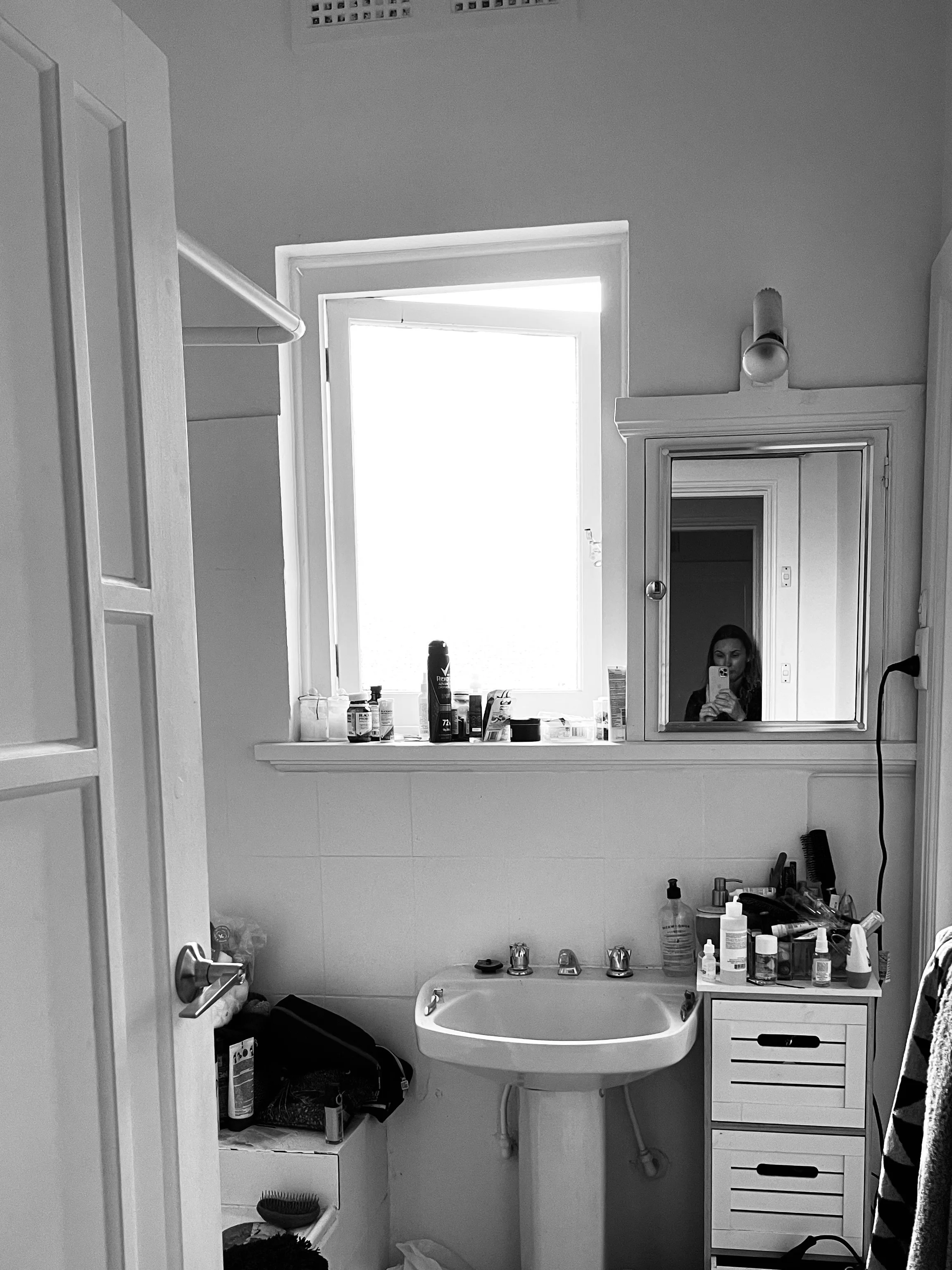
Older homes often have compact kitchens and bathrooms, undersized bedrooms, disconnected living areas and limited storage.
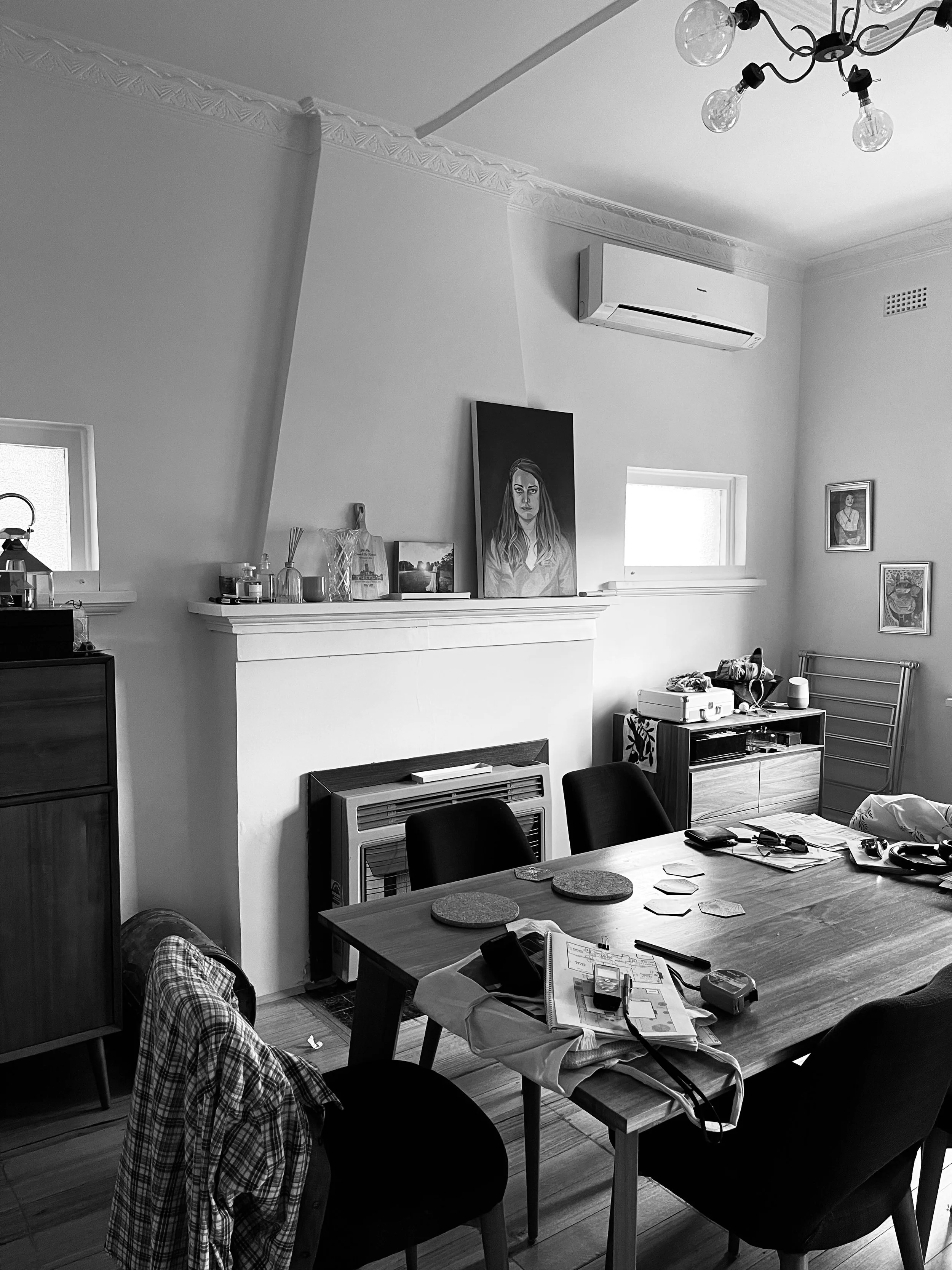
At our Art Deco House project in Caulfield North, the original interwar brick and stucco home was a modest two-bedroom house with a cramped kitchen, tiny bathroom and dilapidated outdoor laundry. It clearly needed renewal, but it also had wonderful character worth preserving.
Thoughtful replanning allowed us to create generous contemporary living spaces while respecting the home's original fabric and proportions.
5. Respect original colours, textures and materials
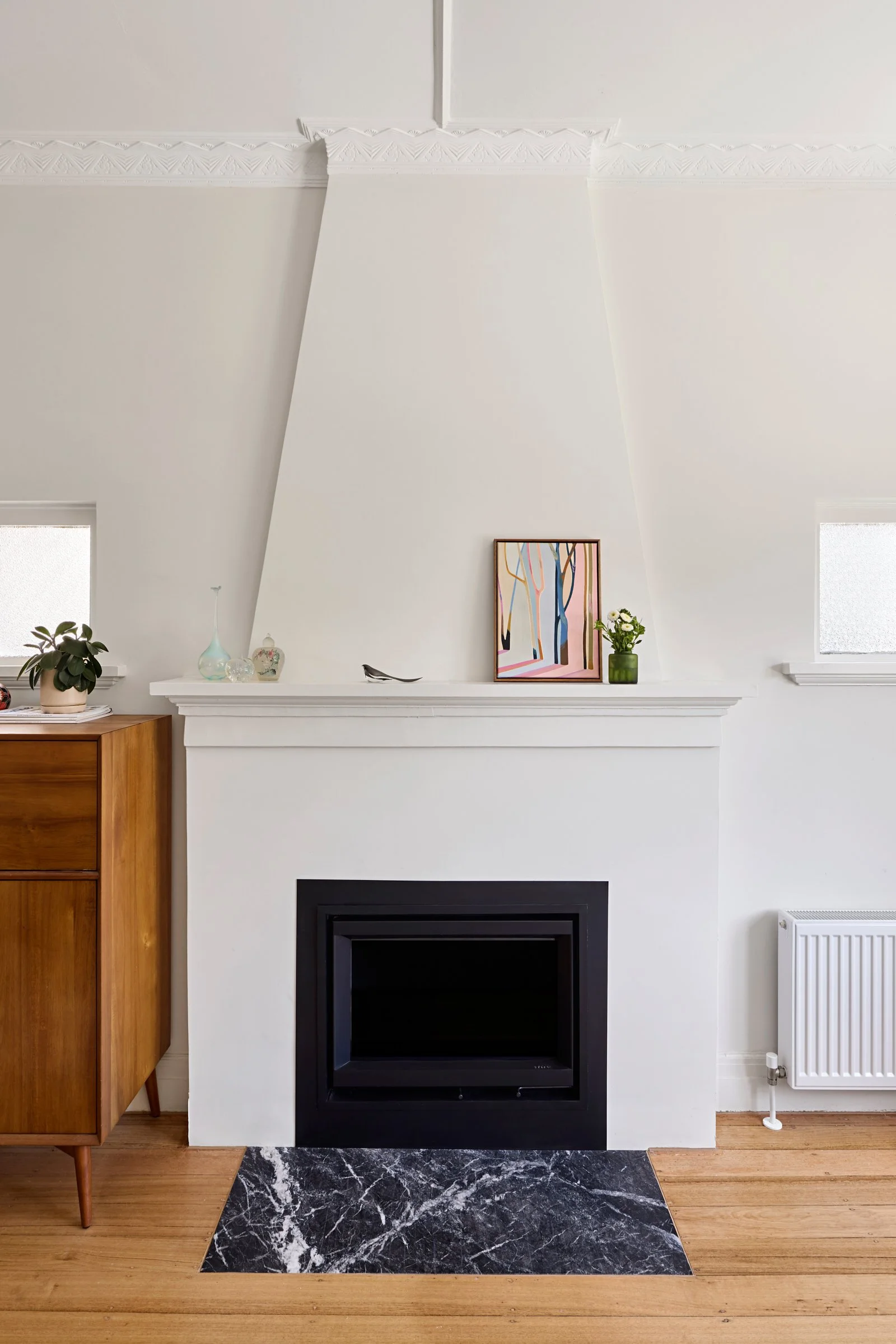
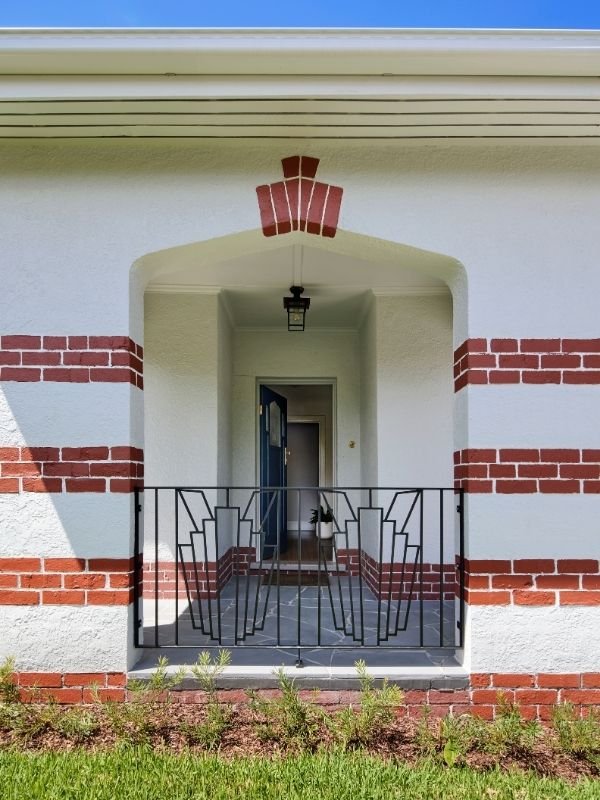
Melbourne's Art Deco homes are full of distinctive details - cream stucco, decorative brickwork, geometric fireplaces, ornate plaster ceilings, and beautiful brass or chrome hardware.
At Art Deco House these features were embraced to honour the home’s heritage. We carefully restored the original fireplace, repaired and repainted existing doors, and sourced Art Deco doors from a recycler where originals were missing.
The new kitchen and bathrooms were designed with timeless materials that complement the home's heritage, including classic black-and-white tiling, rich green cabinetry and brass detailing.
Rather than replicating the old, the rear addition provides a generous, light-filled living space that clearly belongs to today while sitting comfortably alongside the original home.
While trends inevitably change, we encourage clients to think long term and choose materials and finishes with lasting appeal.
Old photographs can also provide valuable clues if original colours or finishes have been lost over time.
6. Improve thermal comfort thoughtfully
Many older homes perform badly from a thermal perspective. Single glazing, uninsulated walls and ceilings, and air leakage often make them cold in winter and hot in summer.
A renovation provides an excellent opportunity to improve comfort without compromising heritage character.
At Art Deco House, the existing roof had reached the end of its life, allowing us to install a new vapour-permeable sarking membrane and high-performance ceiling insulation beneath new roof tiles.
Working with our energy consultant, we found that insulating the original external brick walls would provide greater thermal benefit than replacing the decorative front windows. Blow-in wall insulation allowed the clients to retain the home's original glazing to the front façade while incorporating high performance double glazing in the new addition.
Passive design strategies were equally important. The new open plan kitchen and living space is positioned to capture northern sunlight, with generous ceiling heights and a strong connection to the garden. Anchored along the southern boundary, the addition creates calm, light-filled spaces that feel comfortable throughout the year.
Every home is different, and a thoughtful energy strategy should respond to both the existing building and the way you live.
7. Expect the unexpected
Older homes nearly always contain surprises.
Many of the older houses we have renovated have revealed some questionable structural techniques, particularly where homes have been altered several times. We regularly see roofs or drainage that needs to be replaced, services that need to be upgraded, or floor framing under old wet areas that needs to be replaced.
Many of these issues only become visible once demolition begins, so it's wise to allow a contingency of around 10% of your construction budget for unforeseen works.
Planning for the unexpected helps reduce stress and gives you greater flexibility to make good decisions if hidden issues arise.
Looking Ahead
Renovating an Art Deco home is about much more than updating a floor plan. It's about understanding the story of the house, preserving the qualities that make it special, and thoughtfully adapting it for contemporary life.
With careful planning, it's possible to create a home that feels brighter, warmer and more functional while retaining the character that made you fall in love with it in the first place.
If you're considering renovating an Art Deco home - or any heritage property - I’d love to help you explore what's possible.
